15 Years at XING
Reflections and a Farewell

I was laid off last week from XING (New Work SE) after 15 years working as a software engineer, as part of ongoing company‑wide restructuring since 2020.
This time felt different—not only because I was affected, but also because engineering in Germany saw substantial reductions. Teams responsible for core infrastructure and foundational platform work were among those affected.
The termination email arrived shortly after the meeting, and the paperwork was delivered to me the same day by courier. The final meeting was brief.
I have always loved XING as an employer; it was the best company I have worked for so far. It had a strong culture, great people, and high professionalism. Working at XING meant being close to the forefront of technology. We consistently used widely adopted industry standards. While I had been a top performer at my previous company, at XING I collaborated with many individuals whose skills I deeply admired.
I thought it would be a good time to reflect on and remember the past 15 years.
The Contrast: Hell on Earth vs. Human Culture
When a former frontend architect reached out to me in 2010, he was bored in the hospital and browsing interesting profiles on XING. At that time, I was in a difficult situation. My previous company felt like hell on earth. Working there was even worse than being at the company depicted in the TV show “Stromberg,” the German version of “The Office.” The workplace was hostile, with a depressing and toxic culture. I once saw my boss crying as she left her superior’s office. The company was located in a bleak industrial area in the west of Hamburg, next to an Autobahn.
My team was made up of unqualified individuals, and hostility and bullying were common. The offices were dreary, featuring smelly carpets, beige desks, and brown chairs. Few employees received salary increases, and most were significantly underpaid. I received only one salary increase of €200 during my time at the company, and I had to schedule an appointment with the deputy managing director to discuss it. When I entered his office, a dimly lit room with leather furnishings, a mahogany desk, and bookshelves that resembled a royal chamber, he asked me to sit. The chair was much lower than his imposing table, making it feel as though I was sitting before a throne. He continued working for ten minutes while ignoring me before finally removing his glasses and asking smugly, “So, you think you deserve more than what we pay? Why is that?” I then spent another ten minutes trying to convince him of my worthiness for a salary increase.
I was thrilled when a frontend architect organized a meeting. I hadn’t needed to send my CV in advance, so I brought a printed copy on Friday. I had a meeting with HR, followed by an in‑depth session with several frontend architects who asked me various questions about web development.
After the meeting, I received a call from the frontend team lead with an offer. When compensation came up, I initially assumed they would negotiate down—but instead they indicated my expectation was low and proposed a higher amount. That was my first impression of XING.
After my previous company received my resignation letter, the atmosphere changed dramatically. The first action taken was to block access to xing.com for all employees through the firewall. Additionally, I was denied the Christmas gift that every employee received each year—a frozen duck—out of spite, claiming it was only for those still employed the following year. I left the company before Christmas and began my first day at XING on January 3, 2011.
2011: Entering the “Star” Phase
On my first day, I received a warm welcome at the front desk at Gänsemarkt in Hamburg. XING occupied multiple floors and had a few hundred employees, creating a lively atmosphere. I began during what many described as a “star” phase of the product. The founder, Lars Hinrichs, had departed in 2007, and Stefan Groß‑Selbeck had taken over as CEO. I also met members of the previous leadership team, who were gradually transitioning out.
It took a bit of time to find a desk, so I initially sat in the corridor. The atmosphere was energetic, with walls covered in cards, product prints, and concepts. I joined during a major relaunch that included a comprehensive redesign and an activity stream with stories about jobs and people. My laptop wasn’t ready on day one, so I used an older iMac for the first week or two.
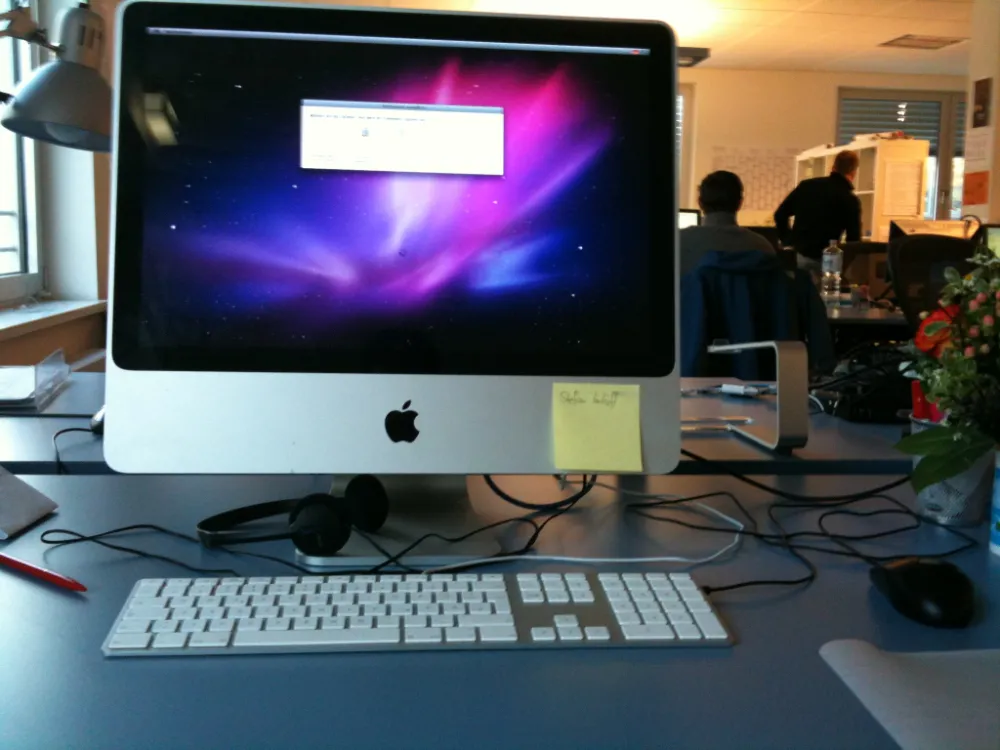
For the next three weeks, I worked in the frontend architects’ office—a small team of highly skilled JavaScript specialists—and tackled several challenging tasks under their guidance.
After onboarding, I joined my first team: the jobs team. We were a cross‑functional group with backend, frontend, QA, UX, product, and agile roles, and even had a small lounge to unwind. I hadn’t worked with Scrum or Kanban before and was new to Ruby on Rails and ERB; my JavaScript experience was mostly with jQuery. Product managers changed periodically as new teams formed. We worked hard on the relaunch and completed it in mid‑2011.
XING was known for memorable parties and offsite events over the years. In 2011, we hosted a summer party at Zum Alten Lotsenhaus at Elbstrand beach with a “maritime” costume theme—pirates, fish, sailors, and officers—along with great food and drinks. Several internal products even carried playful, beer‑themed names.
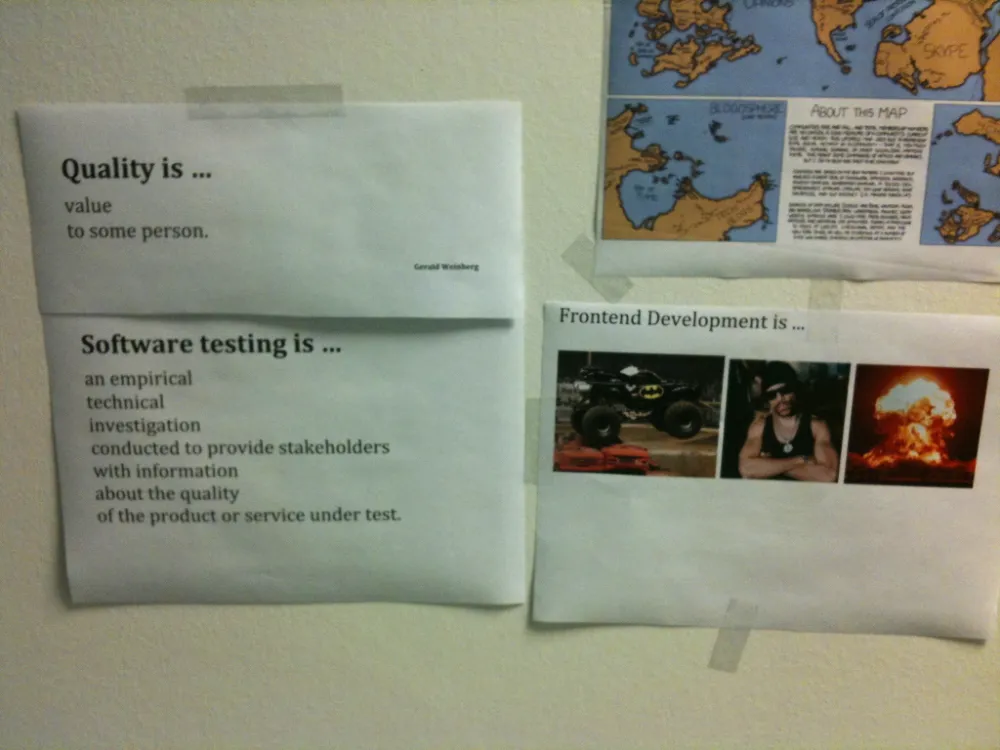
The same year, I attended my first conference abroad. A small group of frontend engineers from Hamburg flew to Amsterdam for the Fronteers conference, held at the Tuschinski Theatre. We stayed in a nearby hotel, observed a moment of silence when the news of Steve Jobs’ death was announced, and even met the founder of jQuery.
We explored the city, including the red‑light district and some coffee shops. One teammate kept getting unsolicited offers for drugs on the street, and he was pulled aside for a thorough security check at the airport when we flew home.
We held our Christmas party at FABRIK Hamburg with a Wild West costume theme. The year was very successful, and as a thank‑you for the relaunch, employees received a gift voucher.
2012: The “Cash Cow” Era Begins
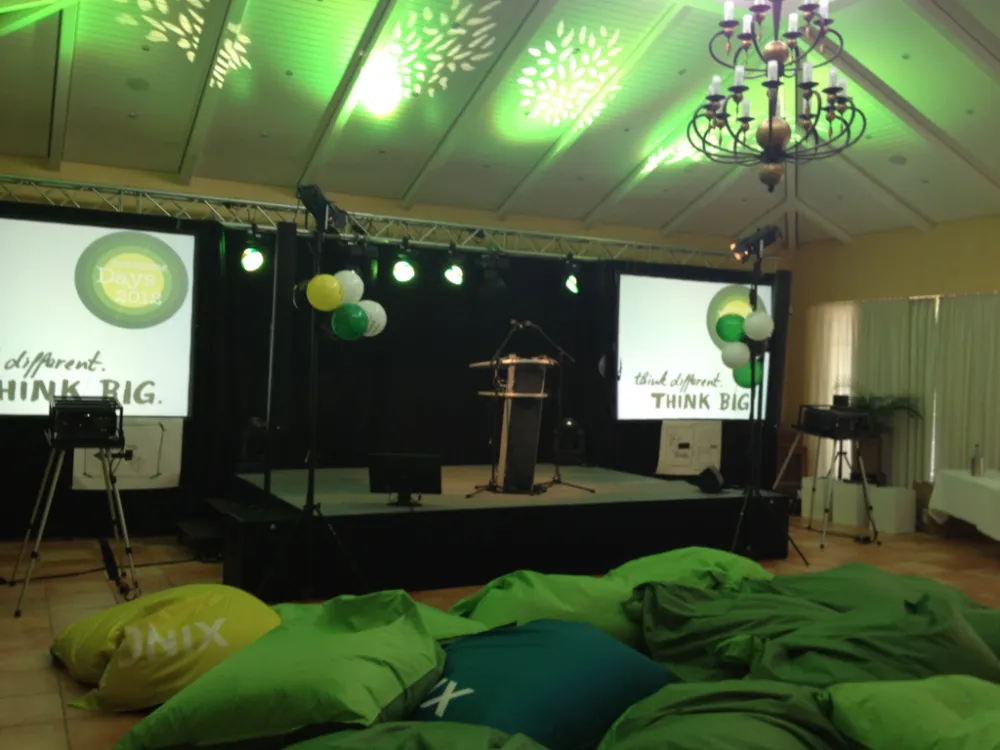
In 2012, I participated in my first Prototyping Days—a three‑day event where the company formed teams to develop prototypes. At the end of the week, ideas were presented at Restaurant Leuchtturm near Harburger Stadtpark, winners were selected, and we wrapped up with a summer party.
XING was successful, with the stock price rising from €55 in 2011 to €70 in 2012. Burda Digital increased its stake, triggering a mandatory takeover offer for the remaining shares. I recall seeing various Burda print magazines laid out in the office for free during this time. I only managed to get one issue of Playboy; it was gone within minutes each time.
Thomas Vollmöller became CEO in October 2012 and initiated the company’s “cash cow” phase.
2013-2014: Growing Pains and New Spaces
XING was growing rapidly, and as other tenants moved out, we took over additional floors. Within a short time, we occupied two adjacent buildings. At first there was ample space—even a yoga room—but it soon became crowded. A native mobile team was established, and spaces were repurposed. To accommodate specific business units, additional offices around the city were rented. The Jobs team temporarily relocated to offices next to a dental practice while construction created a passage between the two buildings.
A new building went up next to our office, bringing a year of construction noise and stress. We often joked, “Wouldn’t it be funny if we moved into that building?”—and in April 2013, we did. The new space was modern and open‑plan, with carpeting and room dividers to keep noise down, plus kitchens, themed rooms, a large event space, and a parking garage. As a welcome gift, employees received a lime‑green XING beach towel and some orange juice.

The building was located next to the Hamburg Opera, where I could hear the singers training for years. I observed auditions behind a curtain as singers showcased their talent.
Around that time, the e‑recruiting business relocated to Barcelona. I could either move or switch teams, and I chose the latter—moving from the Jobs team to the Mobile Web team. We built the mobile version of XING as a fast, lightweight alternative for mobile devices and also started a hybrid iPad app exploring an opportunity stream with data and recommendations. The team was full of talented developers, and I adopted Vim as my editor since many teammates used it.
In September 2013, we held our second Prototyping Days, and this time I was on the winning team. We developed XING screencasts, a concept aimed at teaching people how to use the platform. The following summer party took place at Planten un Blomen, featuring an illuminated water and light show at night.

In October, I flew to the Fronteers Conference in Amsterdam. We stayed at a beautiful hotel near a river, which served freshly baked bread every morning. We explored the city center, enjoyed a Wagyu burger at Burger Bar, and had dinner at an authentic Chinese restaurant. I still remember the disgusted look on my co-worker’s face when he realized that the duck he ordered was steamed and had slimy, soft skin.
The year was very successful for XING; it acquired Kununu, an employer review platform, for approximately €10 million, establishing an office in Vienna and adding Austria as a location.
I continued with the Mobile Web team until the end of 2013, when it was dissolved as native iOS and Android apps became the primary focus. In 2014, I supported several teams: six months with Communities building a backend interface for group products, then the XWS team working on public and internal APIs, and afterward the content team on newsletters for a month. I missed having a dedicated home team that year, and API work wasn’t my preferred focus.
We held Prototyping Days in the summer of 2014 and celebrated the summer party at Beach Hamburg, a fantastic venue with halls filled with sand and water.
In September, I took a train to Freiburg am Breisgau to attend the Smashing Conference. I met several of my web idols, whose books on CSS, HTML, and JavaScript I have at home.
2015-2016: The Growth Cluster & The SEO Years
On January 1st, I joined a newly established SEO team. It started with the SEO manager and me, and later grew to include backend engineers, a junior product manager, and a QA engineer. Our task was to make logged‑out pages more crawlable and machine‑readable. I learned a great deal about structured data, microformats, and schema markup. Some of the access‑control measures we implemented weren’t my favorite to work on, but they were part of the job.
The SEO team was part of the Growth cluster, alongside teams like login, onboarding, and newsletters, all focused on expanding XING. For many years, we consistently drove strong increases in traffic and membership.
Our team won the SEMY Award, the search marketing prize of 2015.
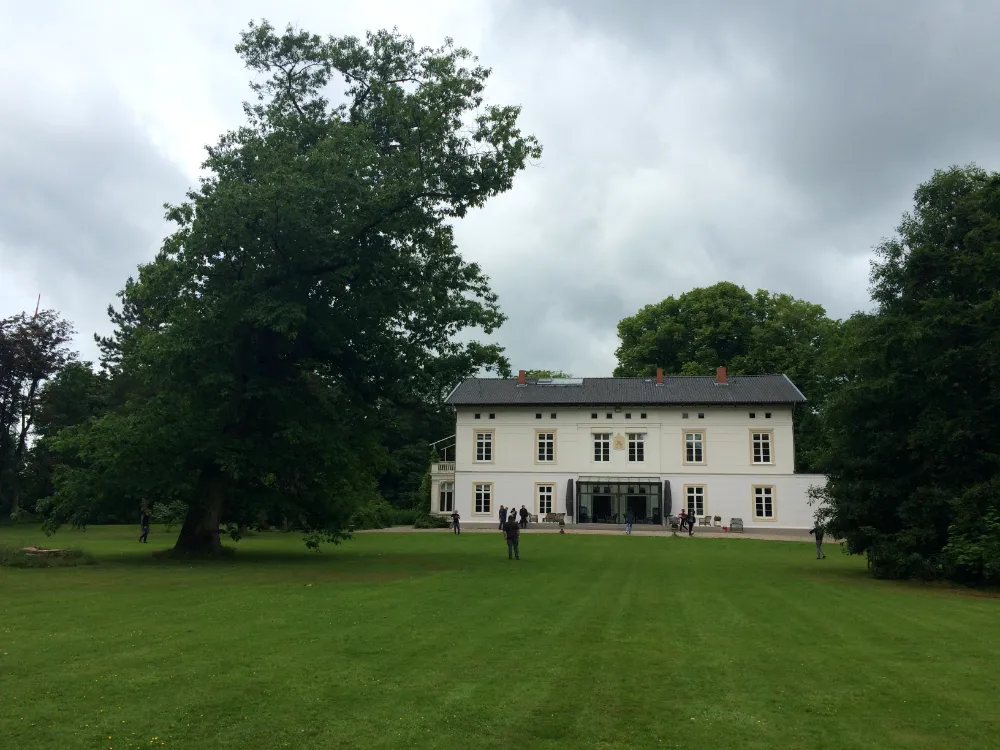
We had a cluster offsite in the summer, spending several days at Herrenhaus Gut Bliestorf. The experience included delicious food and team events such as archery and stock fighting sessions.
In June, I joined a sketchnotes workshop that a co-worker organized at the company, and I still enjoy sketching to this day.
We had one of the biggest Prototyping Days I have ever attended at XING this summer. A stand-up comedian was hired to perform, and we enjoyed T-shirt painting and Taiko drum sessions. The entire company participated in a drum polonaise on the rooftop, making sure the whole city could hear our music and drums. I was on the winning team, and each member received a brand-new Apple Watch (Model 0) as the prize. We couldn’t believe we won such a valuable reward.
We held our Christmas party at Gruenspan in St. Pauli. Each year, finding a party location for our growing employee count became more challenging. This time, the costume theme was the 80s.
The year was a significant success. XING experienced steady growth in both membership and revenue, shifting its focus to improvements in the mobile app. The stock price rose to €160. XING launched its own journalistic team and publication, XING News/Klartext, led by Roland Tichy. I recall meeting him a few times in the coffee kitchen since our clusters shared the same space.
XING also acquired lebenslauf.com for a few million.
In April 2016, we celebrated reaching 10 million premium subscriptions with a giant cake. A new office for e‑recruiting opened in the Kaisergalerie; many of us admired its design and layout compared to the main office.
Revenues increased by a huge amount, making XING the leading network in German-speaking markets. The stock value closed at €180, reaching a high of €200 in 2016.
2017: The Peak – Mallorca & The Party Era
In 2017, Thomas Vollmöller fulfilled his promise. Two years earlier, he had pledged a large company offsite if we achieved specific goals, and we did. Thus began the biggest party and offsite I have ever attended. Newer employees still envy those of us who participated.
Nearly 1,000 company employees were flown from various locations to Palma de Mallorca, Spain, on private planes. Although it was January, which likely lowered costs, the operation was still a logistical masterpiece. From Hamburg alone, six rented planes departed with employees for the kickoff.
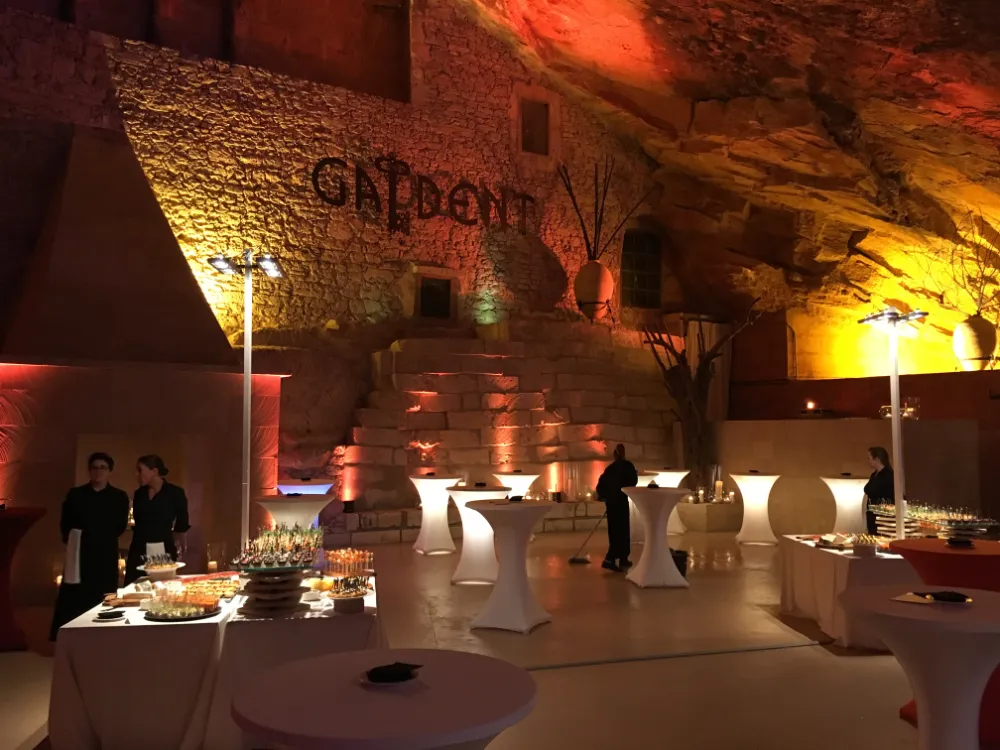
We booked two or three hotels near the event location, Palau de Congressos de Palma. After the initial kick-off, we rode by bus on the first day to Cova Galdent, a party venue inside natural stone caves. It was a magical place, but the food was insufficient. I remember my co-worker was starving, as all we received were appetizers. However, the lighting and atmosphere of the location were enchanting.
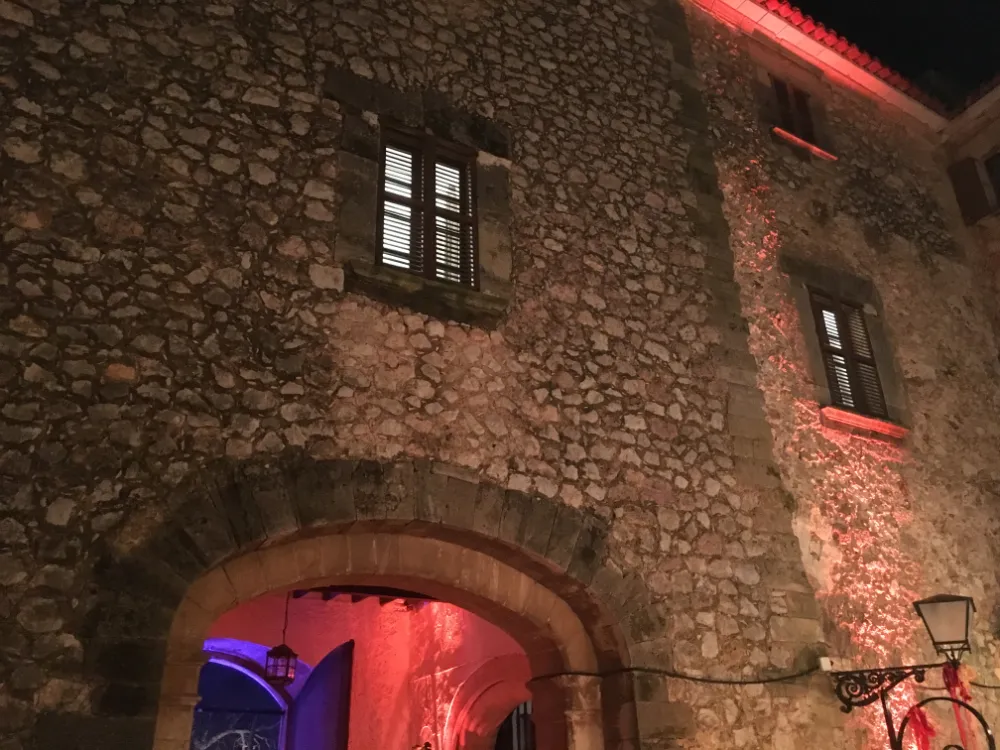
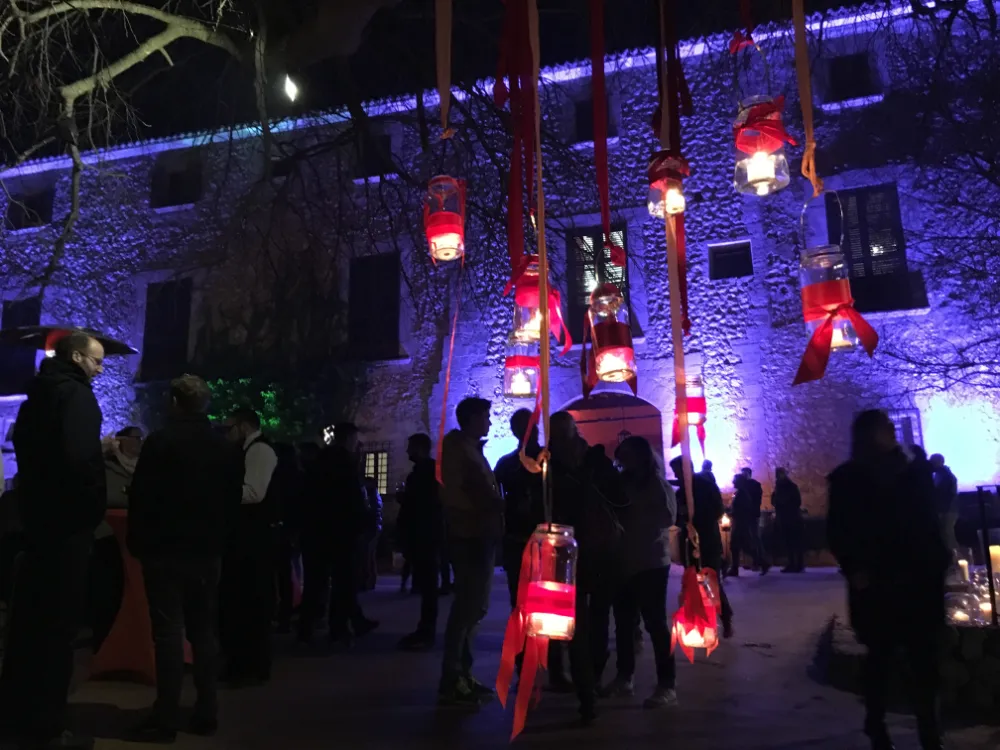
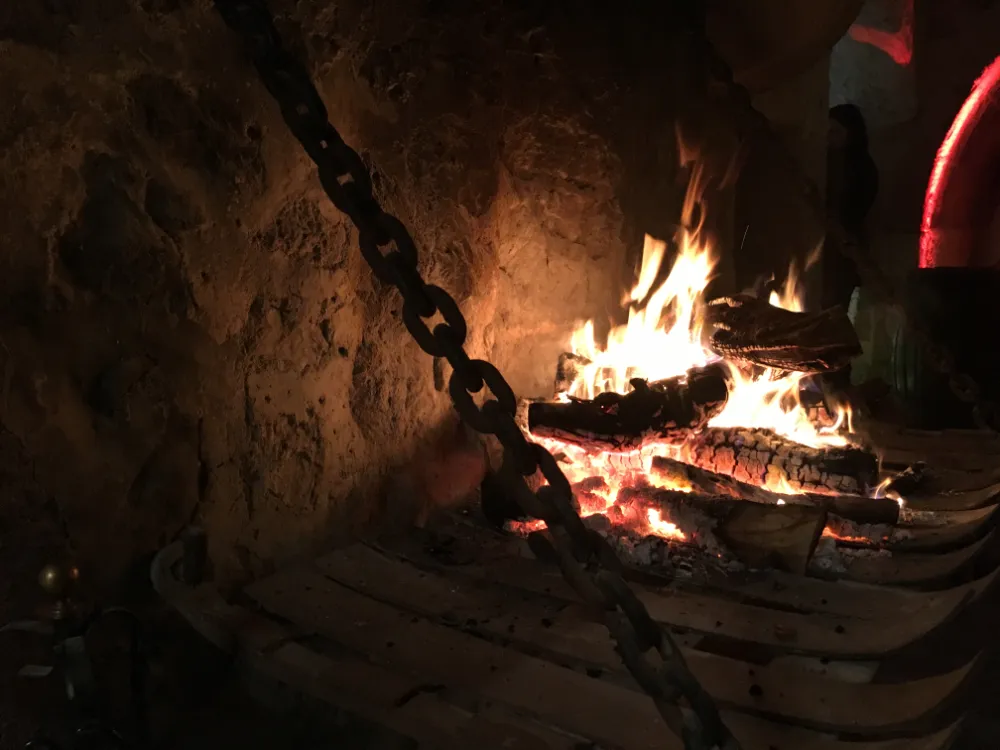
Every location was a secret, and they didn’t reveal it until we arrived. On the second day, the party location was even more exciting. We were driven for half an hour across the island to Son Termes Finca, a large, historic Spanish finca on a mountain. The setting was incredible, featuring old fireplaces, stone walls, colorful lighting, fire pots, Mariachi musicians, paella pans, homemade burgers, Iberian ham, and suckling pig. The variety of food at all the locations was astonishing.
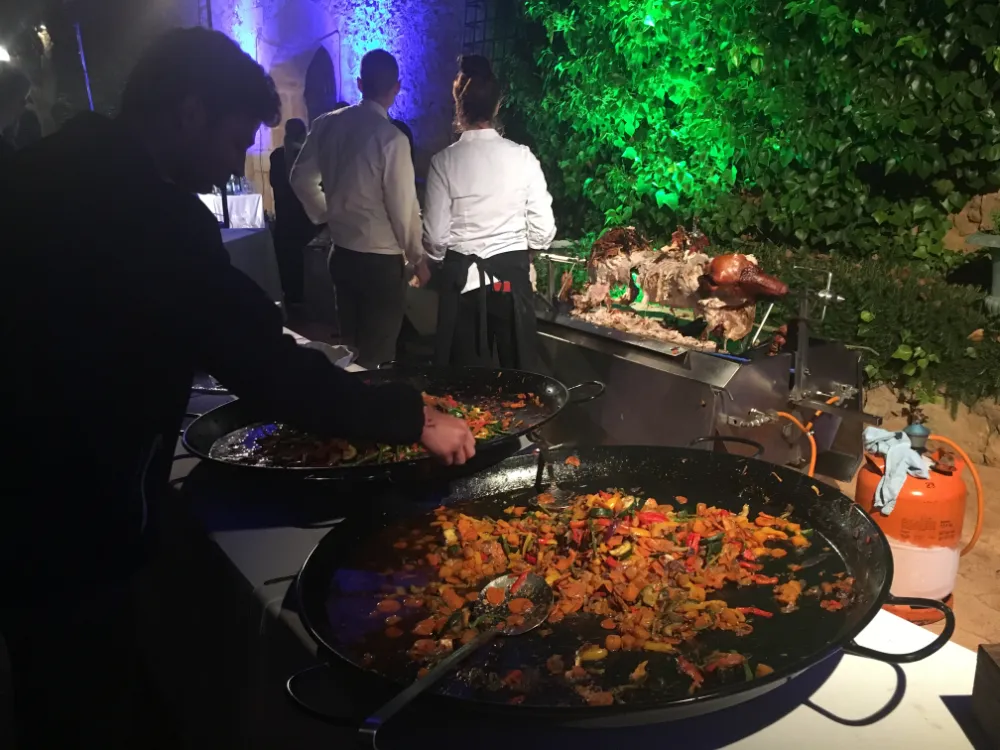
The next morning, most people were severely hungover. Some were still drunk when we flew home, resulting in a miserable flight for some. I, on the other hand, do not drink alcohol, so I was up at 7 a.m. I hiked up the mountain to Castell de Bellver, an old castle overlooking Palma de Mallorca. It opened when I arrived, and I climbed the towers, visited the museum with Roman statues, and enjoyed a magnificent view of Palma de Mallorca and the sea.
We had another offsite with the Growth cluster in July 2017 at the same Herrenhaus Gut Bliestorf location. However, this time it rained so heavily that everyone got soaked to the bone. The event manager had planned many outdoor activities, including a scavenger hunt and raft building, all in the pouring rain.
We had several team events this year, as we have in previous years. As revenues increased, the budget for these events increased. Eventually, each team could participate in events every quarter, including a visit to an upscale restaurant afterward.
I believe I’ve experienced nearly every escape room in Hamburg, including the one on the ship Rickmer Rickmers. I’ve played neon golf twice, enjoyed billiards and archery, played Poker at the Casino Esplanade, participated in LaserTag at Tilta, and had burgers and schnitzel at least ten times in upscale restaurants.
XING acquired Prescreen International and InterNations. The stock value rose to €250, and we received one share per person as a gift. In 2017, XING opened a tech hub in Porto, and Roland Tichy resigned as the publisher of Klartext in January.
At the end of the year, I switched teams, leaving the SEO team to join the onboarding team.
2018-2019: A Challenging Project and a New Challenge
In 2018, I collaborated with a team of skilled developers to create a new onboarding process with multiple user‑specific paths. We used React for the first time; previously, most frontend work had been done with Ruby on Rails (ERB) and jQuery. We also adopted Redux, and the new patterns took some getting used to.
XING launched HalloFreelancer as an in-house project based on an idea that a small innovation team and I developed a few years ago during an innovation week: Freelancer Marketplace. The initial product failed because the newly formed team responsible for implementing our prototype was too small and lacked sufficient support.
XING experienced rapid growth during these years. I joined the recruiting process for a chance to be promoted to senior engineer. I conducted up to two hiring interviews each week, reviewed coding challenges, and we consistently hired new employees in all locations.
We celebrated our Christmas party at Prototyp—Das Automuseum. Each year, our summer, and Christmas parties grew larger. I missed some locations and didn’t attend every party. One year, we rented a large area by the Elbe River, and another time, we booked the entire Mojo Club on the Reeperbahn.
2019 was one of the most stressful years for me at XING. It began with a pleasant kickoff at the Grand Elise Rotherbaum. In August, we had a great offsite with the Growth cluster at the Ellernhof Hotel, a farm. We went bowling, had a barbecue, saw horses and chickens, used a climbing park in the trees, and enjoyed the sunny weather.
The onboarding team needed to deliver an important product quickly. To do this, two teams were combined into one larger group.
The project succeeded, but the pace and pressure led to a difficult phase with strong disagreements and, ultimately, team restructuring. Many teammates left the company or moved on to other roles or teams afterward. A departing colleague suggested I check the internal job board, where I found a brand‑new design system team forming. I applied, got the job, and received my Senior title.
I attended a second offsite, this time for the XIF, the XING Interfaces & Foundations cluster. The event took place at a beautiful lake in the cozy hotel, Bokel-Mühle am See. It featured a fantastic breakfast, a room with a fireplace, a barbecue, and a buffet. We also enjoyed walking around the lake. Although I wasn’t officially part of the cluster yet, I was invited to join to meet the team.

After earlier challenges with a prior design system, the company invested in proper staffing to create the brand‑new XING Design System (XDS). Previously, the setup was lean, with much of the work shouldered by the Frontend Architecture team alongside a small core. As adoption grew, so did the number of component requests, which made consistency and documentation harder to maintain—one reason the new system focused on clear specs, governance, and consolidation.
This time, the team was substantially staffed: multiple designers (including principals), a product manager at director level, an engineering lead, QA, and dedicated developers for Web, Android, and iOS, with freelancers assisting until hiring was complete. From the start, we emphasized professional workflows and created spec sheets for each component. Early on, development was fast‑moving, with support from developers in other teams, and the process matured over time.
XING had a very successful year and was reaffirmed as New Work SE, consolidating all the brands under one parent organization. In April, Honeypot, a specialized IT job platform, was acquired for €57 million, and a new location was opened in Berlin. The stock price rose to €280 by the end of the year. Thomas Vollmöller stepped down as CEO.
We had another Christmas party, this time at the Fischauktionshalle on the Fischmarkt. It was the last big company party I attended at XING.
2020: The Pandemic & The Empty Harbor
XING decided to relocate and kept the new building a secret for a long time. In 2020, they announced that they had found a new location: the former Unilever building in HafenCity. Everyone was stunned. This building is one of the largest and most architecturally interesting in HafenCity. It has the capacity to accommodate around 4,000 people, while we already had 2,000 employees at that time.
Petra von Strombeck was appointed CEO in late May, unaware that she would soon enter the last product phase of the business cycle.
The beginning of the year was especially hard for me when I developed an eye condition that damaged my retina and caused fluid to accumulate in my eye. I suspect stress played a role. For a few months I was very sensitive to light and couldn’t tolerate bright office lighting. Although the condition improved, I was left with some lasting visual distortion.
COVID‑19 hit in March, and we were all sent home. The IT team worked intensely to support remote work—setting up VPNs, collaboration tools, and a remote meeting structure. It was an especially challenging moment, with a brand‑new building awaiting renovation and opening while offices were closed due to lockdowns.
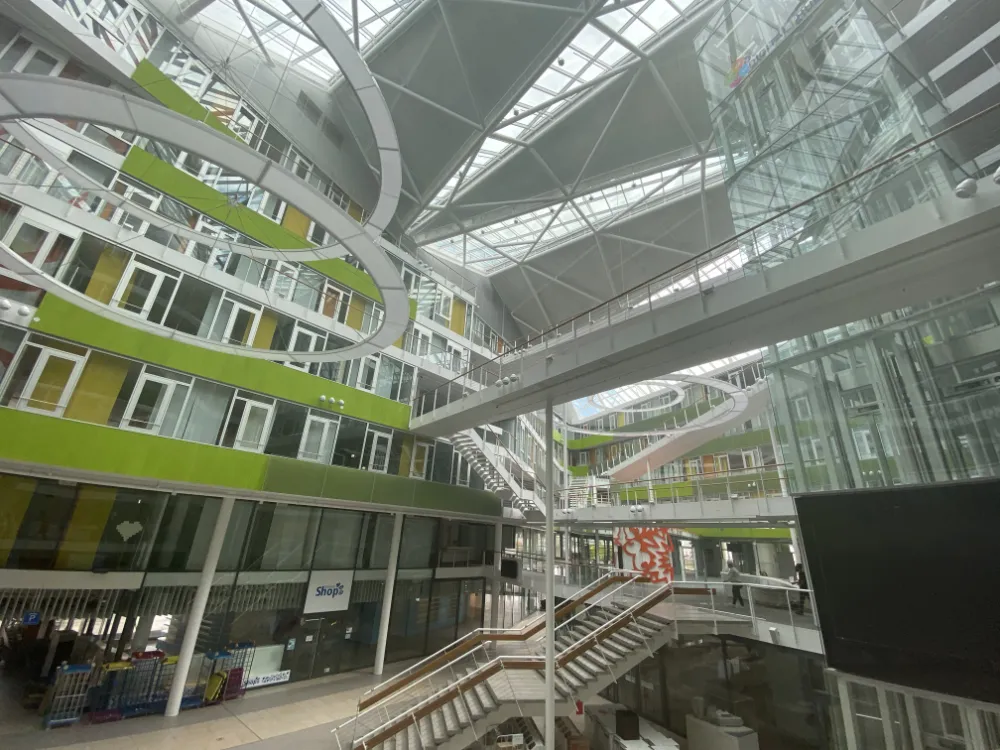
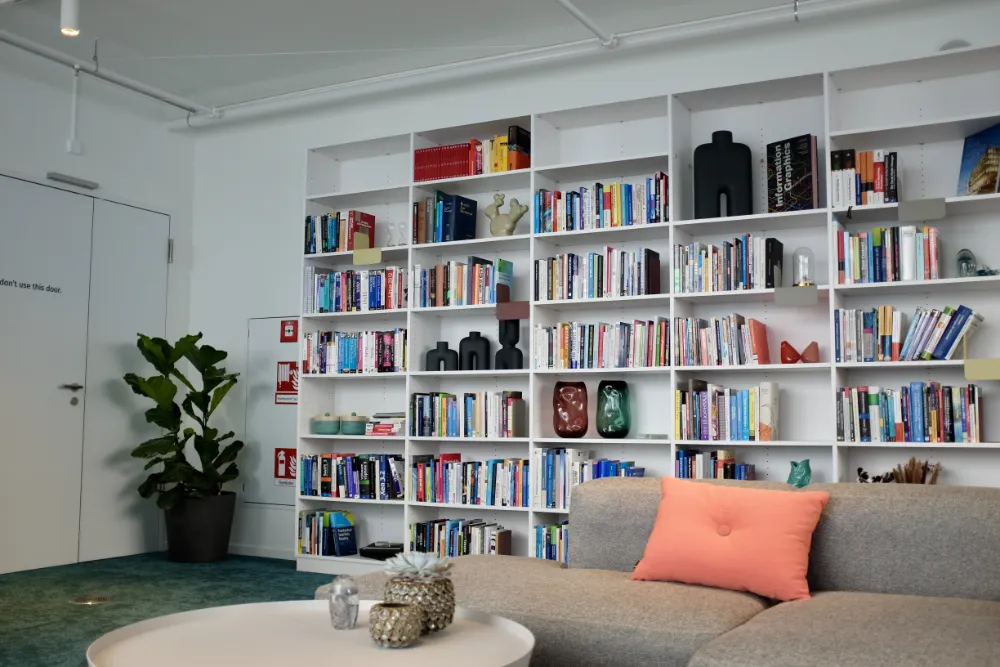
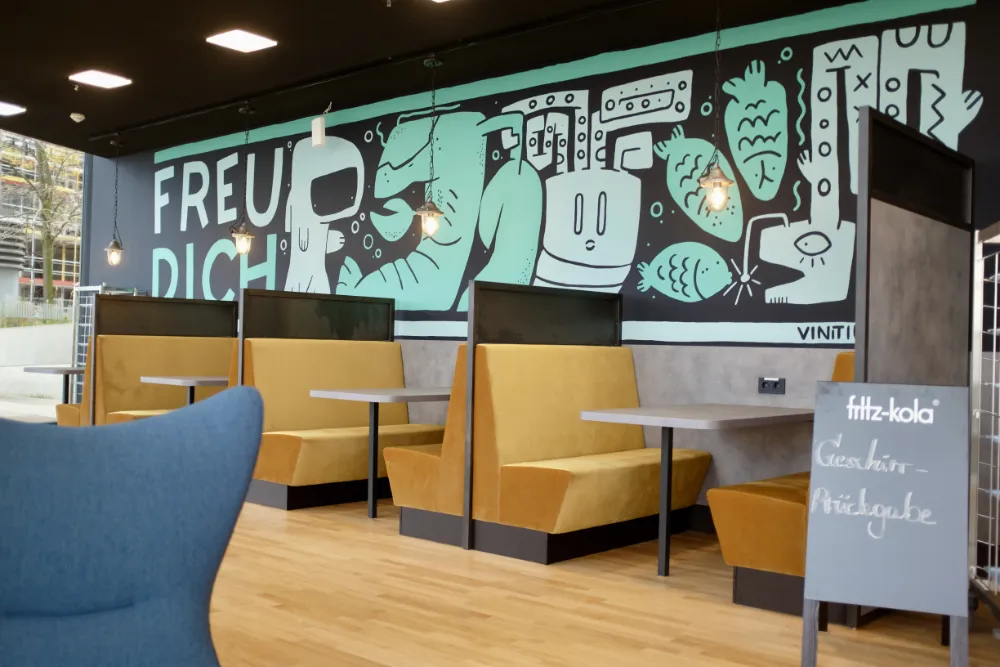
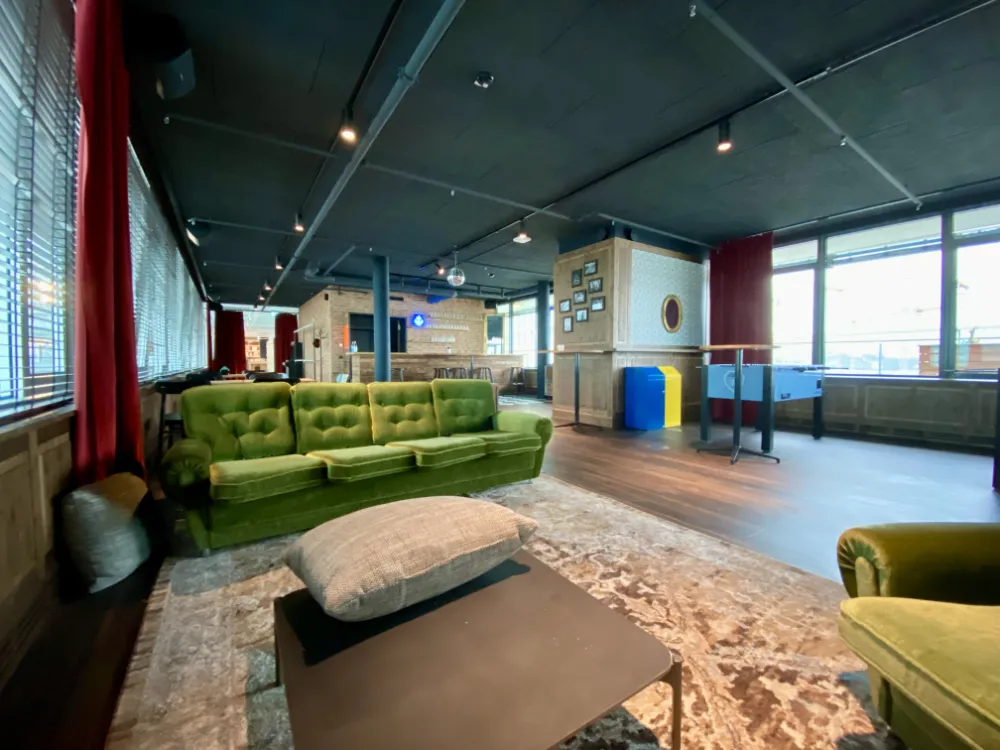
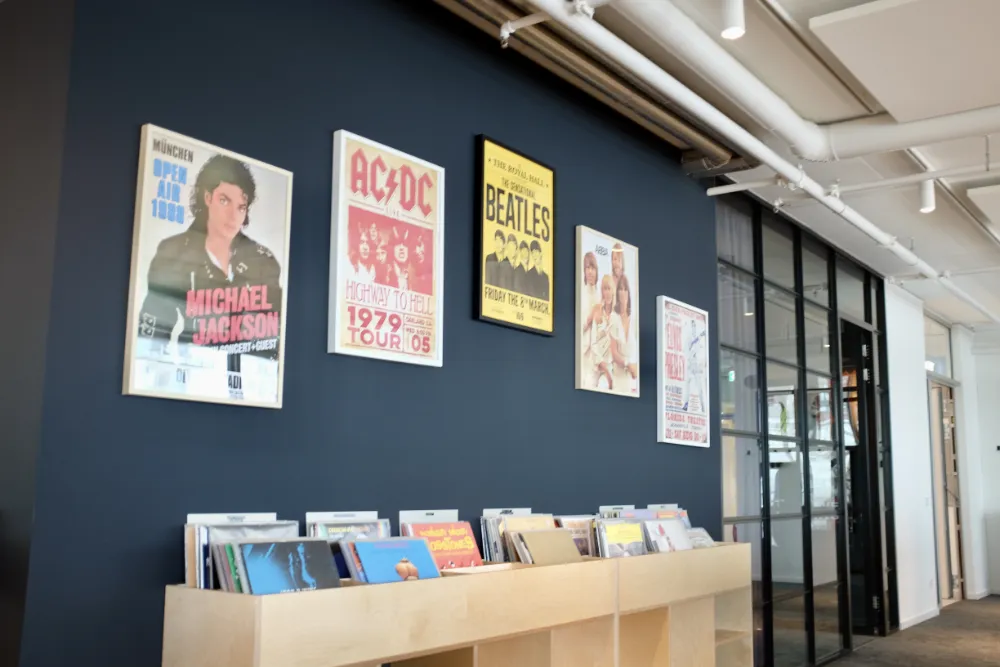
In July 2020, we visited the stripped‑down interior of the Unilever building. The new office—New Work Harbour—spans six floors (with the ground level open to the public) and features a nautical theme, with container‑style meeting rooms and wood‑accented meeting boxes. The sixth floor includes a roof terrace, and multiple teams contributed concepts for creative zones, labs, a library, a lounge, a speaker area, a welcome area, and chalk‑writable walls. I helped design an agile room with mobile furniture and writable walls; each area had movable stations with screens and cameras for remote meetings. We officially moved in September 2020, though it was never fully occupied during the pandemic, and many continued working from home.
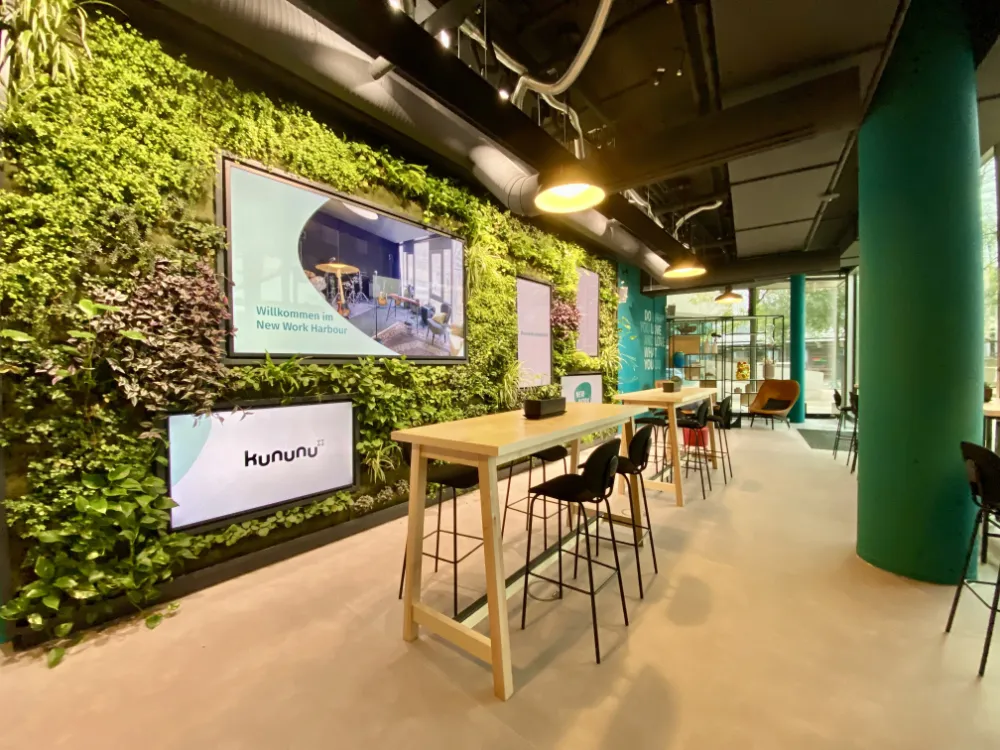
Productivity increased, particularly among engineers. As it turns out silence and concentration might be necessary for programming.
The pandemic affected the company, causing its stock price to decline to €260, and the first layoff occurred in Q4 2020.
2021-2022: The Design System Maturity
2021 saw significant leadership changes. As part of a broader reorganization, several C‑level roles were consolidated under the CEO, and the CPO and CMO subsequently departed.
I focused on my team and the design system. After two years of development, it had matured with 50+ components. Designers maintained detailed spec sheets in Figma and a product guide, while we built a documentation site with code examples, API tables, and live demos. We migrated the web code to TypeScript and Styled Components and automated the export of design tokens (colors, spacing, motion) as well as icons and illustrations, enabling streamlined releases for Web, iOS, and Android. We developed a comprehensive palette with semantic colors, hundreds of icons, and many illustrations by a talented illustrator who later joined our team.
Most work was done remotely, and COVID-19 continued to impact revenue. The stock closed at €240 at the end of the year.
In 2022, as the pandemic eased, the company encouraged a gradual return to the office with attendance guidelines. After two years of remote work, many preferred to continue working from home, and hybrid setups—with team members spread across locations—posed coordination challenges. The company also transitioned from Slack to Microsoft Teams, which required a period of adjustment.
Our team focused on training and promoting adoption of the design system while continuing to create new components. We also built internal tools to measure adoption. I created a web app that analyzed multiple repositories to track component usage and surfaced the results—together with iOS, Android, and Figma figures—in a React dashboard. This gave us detailed insight into how widely components were used across products.
I also created a Chrome extension that highlights XING Design System components with a green border and their names, making it easy to spot custom components.
Later, a web developer from the Design System team left and the role wasn’t backfilled, so I covered those responsibilities for more than two years.
Our cluster held an onsite event in Hamburg after travel restrictions were lifted. The event included a harbor tour and a party in a small cabin, Wartehäuschen Döns. The declining revenue was evident in smaller venues and finger food instead of large buffets.
2023: The Recession Hits
New Work SE had a total of 8 locations at that time: Hamburg, Berlin, Munich, Vienna, Zurich, Barcelona, Valencia, and Porto.
The company continued to lose money due to the post-COVID recession. Expanding the monetary supply by printing a trillion euros had led to massive inflation and the boom-bust cycle, as described by Ludwig von Mises in “The Theory of Money and Credit” (1912). Additionally, losing access to cheap gas from Russia and shutting down all nuclear power plants was likely not a good decision, resulting in a 20% decline in industrial production and a negative GDP growth for multiple years in a row. These factors, combined with the post-COVID recession, had negatively affected the job market and recruitment solutions. The stock price fell to €150, and layoffs occurred in Q1.
The Design System team worked on implementing dark mode for the platform. We created dark‑mode‑ready illustrations and used CSS custom properties to switch colors while keeping the same files. By the end of the year, we successfully launched dark mode. It required significant effort across teams because it depended on adopting the design system, and areas not yet migrated didn’t yet reflect dark mode.
2024: The Beginning of the End
2024 was another difficult year, with two rounds of layoffs in spring and winter. The company offered a voluntary leaver program that many employees chose; I wasn’t eligible. In August 2024, the company was delisted, and I sold my shares to Burda for €65, down from a prior peak near €375.
In 2020, the web platform team began creating a monorepo to consolidate frontend applications. In 2024, I started migrating the design system into that monorepo, improving documentation and code along the way.
Onlyfy underwent a restructuring with significant layoffs. Two colleagues joined our team afterward, along with two additional design systems for us to manage going forward.
2025: The Final Countdown
Henning Rönneberg was appointed CFO and COO in February. In May, Petra von Strombeck handed over the CEO role to Rönneberg. Despite prior cost measures, financial headwinds persisted, and many anticipated another round of layoffs.

Our team led the accessibility initiative to meet the mid‑year timeline for the European Accessibility Act. We introduced features such as high‑contrast mode, reduced/accessible motion, improved keyboard navigation, and enhanced ARIA roles and labels. It was a challenging project, but we delivered on time. Additionally, the web platform team built a dashboard to monitor stability, accessibility, and other key factors.
Throughout the year, the Design System team continued building components for priority projects, creating several new components and enhancing others.
In late October, XING announced another round of layoffs planned for year‑end, and we waited for several weeks for details. Activity slowed noticeably. I migrated a few apps to the cloud and completed that work shortly before the layoffs. Our backlog was quiet, with few new component requests or project starts.
Epilogue: Gratitude and Next Steps
To be honest, I didn’t expect to be fired. I was uncertain about the future of the design system but thought my own role was relatively safe. A longtime colleague even joked we would be too expensive to be severed and possibly the last to leave the company. In the end, engineering roles in Germany were largely reduced, including many who had worked on shared infrastructure and foundations. Starting in January, the remaining engineering teams—primarily in other locations—planned to expand the use of AI‑assisted coding tools to help with knowledge transfer.
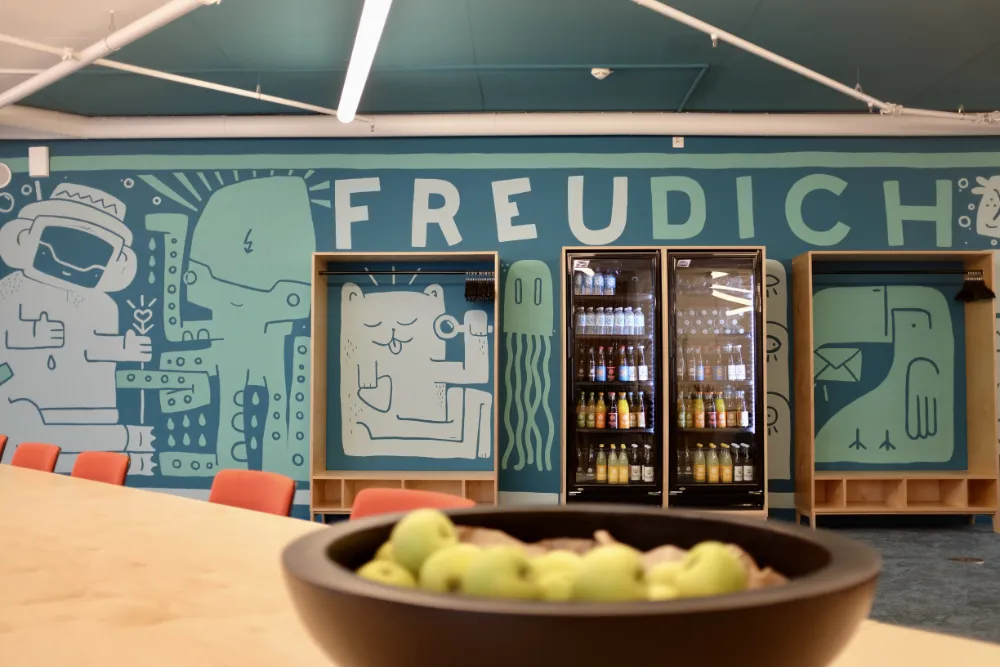
All that remains is looking back to remember the good times. I don’t look back in anger; XING was the best company I worked for, with some of the most skilled people I’ve met. I wouldn’t have stayed so long if it had been otherwise. I’m confident the XING Design System is among the strongest in Europe, perhaps beyond. Reviewing the documentation, spec sheets, and product guides reminded me how skilled and innovative our designers are. From the challenging Superellipse profile image—which can soon be built natively with CSS—to bold colors, animations, and distinctive illustrations, icons, and stickers, the work stands out. Building a custom design system rather than theming an existing component library made a real difference. To all the developers, designers, QAs, product managers, tech, and non-tech people I’ve worked with over the past 15 years: thank you for the learning and the projects we created together.
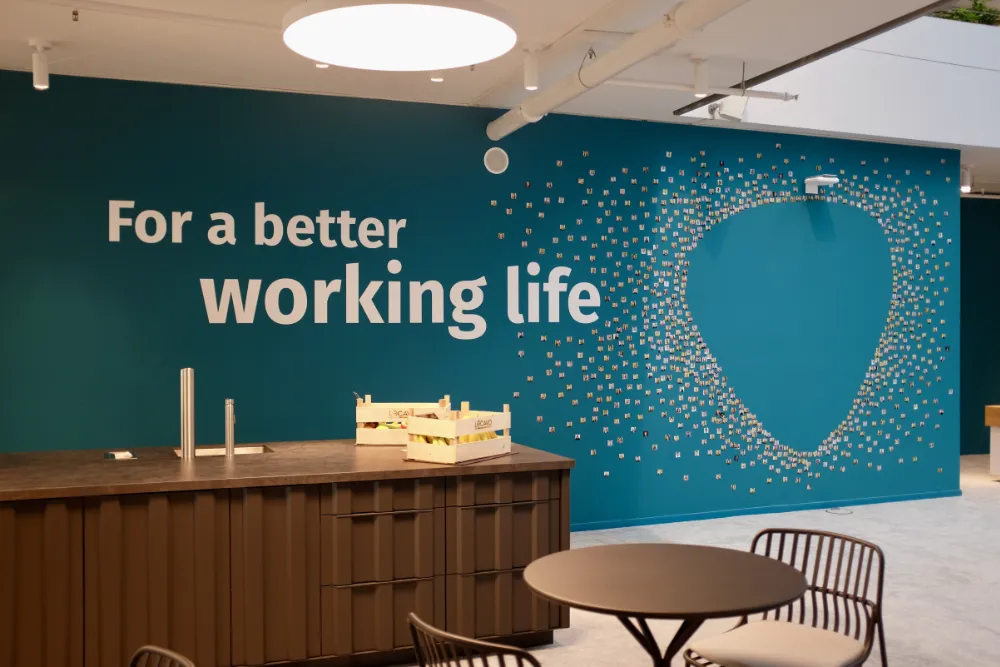
XING is in the process of moving out of New Work Harbour, and Kununu plans to operate as its own company. I’ve returned my notebook and iPhone, and when my remaining access ends, I’ll close this chapter of my life.
I will take a break for 1 or 2 months. My garden leave lasts until mid-2026, so I will look for a new challenge and opportunity in spring. If you know of an interesting company, product, or service that requires strong Web UI development skills, particularly in React and TypeScript, along with 25 years of professional CSS experience, experience in Design, and an eye for beautiful layouts, please let me know.